

Have a project to do? Reach out to EnCata team
Thank you! Your submission has been received!
Oops! Something went wrong while submitting the form.

R&D project in thermophysics, embedded algorithms, mechanical + electronics design with multiple on-site tests. The final product controls, regulates, measures and monitors in real time thermal energy flow and hot water supply in industrial and residential heating system.
1 - 9
11111
A large project concerned R&D in thermophysics embedded algorithms, mechanical and electronics design with multiple on-site tests. The final product is a tool that regulates, measures and monitors thermal energy supply for centralised hot water supply in the industrial and residential system.
With the RnD goal to increase hot water supply efficiency and to lower operational costs for calibration, a water/heat management company EnCata several years ago.
Hot water consumption is characterised by significant irregularity. Circulation in residential hot water piping system is provided to compensate heat losses. While data on heat losses in residential hot water systems are intrinsically missing due to metering complexity.
It was estimated that 10% of hot water consumption associated with additional necessary circulation. The real value of the circulation flow rate in the pipelines of hot water supply systems significantly exceeds the estimated value and totals 40-90% of the flow in the delivery pipe and 70-500% of water consumption of the residential house hot water supply system.
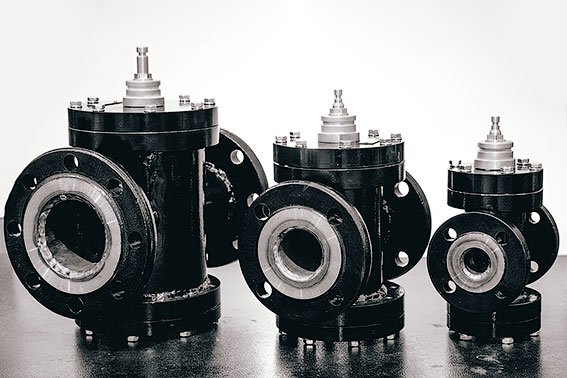
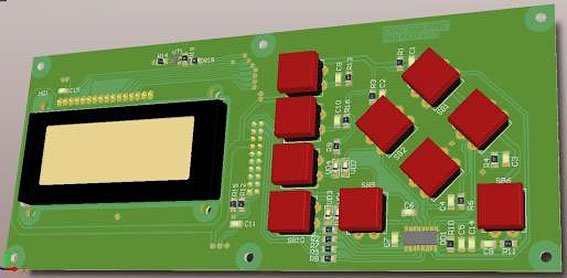
With the R&D goals set in place, the project was identified to be at TRL-1..2. EnCata started to develop the new measurement technology, that would enable both precision metering, temperature sensing with efficient feedback to the valve system. The research was executed in stages, starting from the applied thermophysical research and algorithms development.
We further lifted up a number of test PCBs to verify these algorithms with the firmware. In total there were 6 algorithms developed in order to fit the control and monitoring system into existing infrastructure. The system electronics is based on the MCUs of the STM family. This enabled the regulators to works in tandem with the heat meter through the heat communication channel.
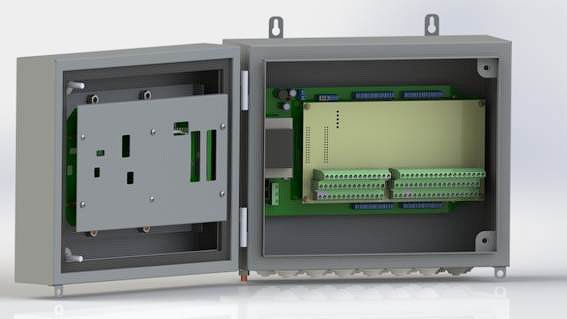
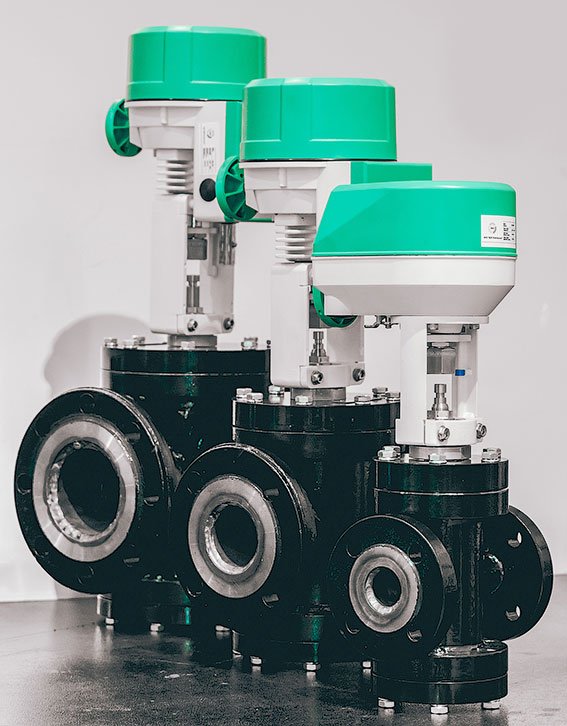
Overall, this large project was moved from TRL-2 to TRL-8 and the project currently goes into the mass-production phase and sales (TRL-9). Newer generation design is already planned where newer (optimised) PCBs, enclosures and custom valve regulator will be used.
The R&D program and the product achieved several essential milestones:



